
Hue is one of the most fascinating destinations in central Vietnam, famous for its imperial history, ancient architecture, traditional cuisine, and peaceful landscapes. As the former capital of the Nguyen Dynasty, this charming city offers travelers a unique opportunity to explore Vietnam’s royal heritage while experiencing authentic local culture.
Whether you are visiting Hue for the first time or planning a return trip, preparing in advance can make your journey more enjoyable. From choosing the best time to visit to discovering historical landmarks, a little planning goes a long way.
Taking a Hue city tour is an excellent way to discover the city’s highlights, especially if you have limited time. To help you make the most of your visit, here are 10 essential travel tips for exploring Hue, Vietnam.
Contents
- 1 1. Choose the Best Time to Visit Hue
- 2 2. Plan Your Hue City Tour Itinerary in Advance
- 3 3. Wear Comfortable Clothing and Walking Shoes
- 4 4. Visit the Imperial City Early in the Day
- 5 5. Discover Hue’s Royal Tombs
- 6 6. Try Authentic Hue Cuisine
- 7 7. Respect Local Customs at Temples and Pagodas
- 8 8. Choose the Right Transportation
- 9 9. Prepare for Hue’s Changing Weather
- 10 10. Book Your Hue City Tour with a Reliable Operator
- 11 Bonus Tip: Allow Time to Enjoy Hue Beyond the Main Attractions
- 12 Frequently Asked Questions About Visiting Hue
- 13 Conclusion
1. Choose the Best Time to Visit Hue
Weather can significantly affect your travel experience in Hue. The city has a tropical monsoon climate, with a generally hotter period during summer and a wetter period that often extends through autumn and winter.
The best time to explore outdoor attractions is generally from March to April, when temperatures are often more comfortable and rainfall is usually lower than during the wetter months.
Here is a general overview of Hue’s seasons:
- March to April: Often pleasant for sightseeing, walking, and photography.
- May to August: Hot and sunny weather, with temperatures sometimes exceeding 35°C.
- September to November: Rainfall can be heavy, and flooding may occasionally affect travel plans.
- December to February: Generally cooler, with cloudy skies and periods of rain.
If you plan a Hue city tour during the rainy season, check the local weather forecast before departure. Heavy rain or flooding can affect access to certain attractions and outdoor activities.
For the most comfortable sightseeing experience, consider scheduling outdoor visits in the morning and allowing some flexibility in your itinerary.
2. Plan Your Hue City Tour Itinerary in Advance
Hue has numerous historical attractions spread across the city and its surrounding areas. Planning your itinerary before arrival helps you organize transportation, manage your time, and avoid unnecessary travel.
For first-time visitors, a full-day itinerary can include several of Hue’s most famous landmarks.
Consider the following attractions:
- Imperial City: Explore the former royal residence and political center of the Nguyen Dynasty.
- Thien Mu Pagoda: Visit one of Hue’s most recognizable religious landmarks overlooking the Perfume River.
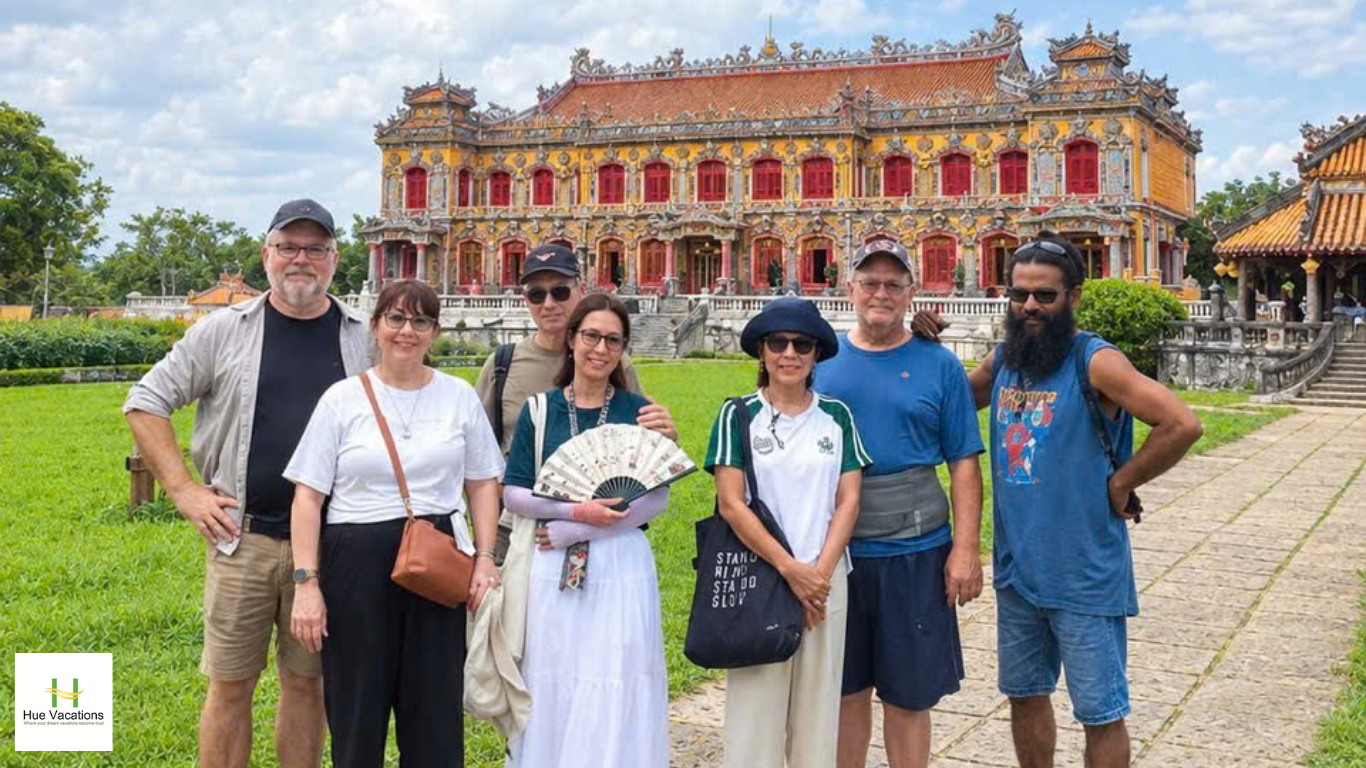
- Khai Dinh Tomb: Admire the distinctive combination of Vietnamese and European architectural influences.
- Minh Mang Tomb: Discover an impressive royal tomb surrounded by gardens, lakes, and traditional architecture.
- Dong Ba Market: Experience local shopping and discover traditional Hue specialties.
You do not necessarily need to visit every attraction in one day. Spending more time at a few important sites can be more rewarding than rushing through a long list of destinations.
A well-organized Hue city tour can help you visit the main attractions efficiently, particularly if you have only one day in the city.
Before booking, check the itinerary, tour duration, transportation arrangements, entrance fees, and whether lunch is included.
3. Wear Comfortable Clothing and Walking Shoes
Many of Hue’s attractions involve walking through large historical complexes, gardens, courtyards, and temple grounds.
The Imperial City, for example, covers an extensive area, and visitors may spend several hours exploring its buildings and pathways. Royal tombs can also require walking between different structures and outdoor areas.
To stay comfortable, prepare the following items:
- Comfortable walking shoes with good grip.
- Lightweight, breathable clothing.
- A hat or cap to protect yourself from the sun.
- Sunglasses and sunscreen.
- A reusable water bottle.
If you visit Hue during the rainy season, bring a compact umbrella or lightweight raincoat. Some stone pathways may become slippery when wet, so walk carefully.
For travelers planning a full-day Hue city tour, comfortable footwear is particularly important because sightseeing can involve several hours of walking.
If you have mobility concerns, check the walking requirements at each attraction before finalizing your itinerary.
4. Visit the Imperial City Early in the Day
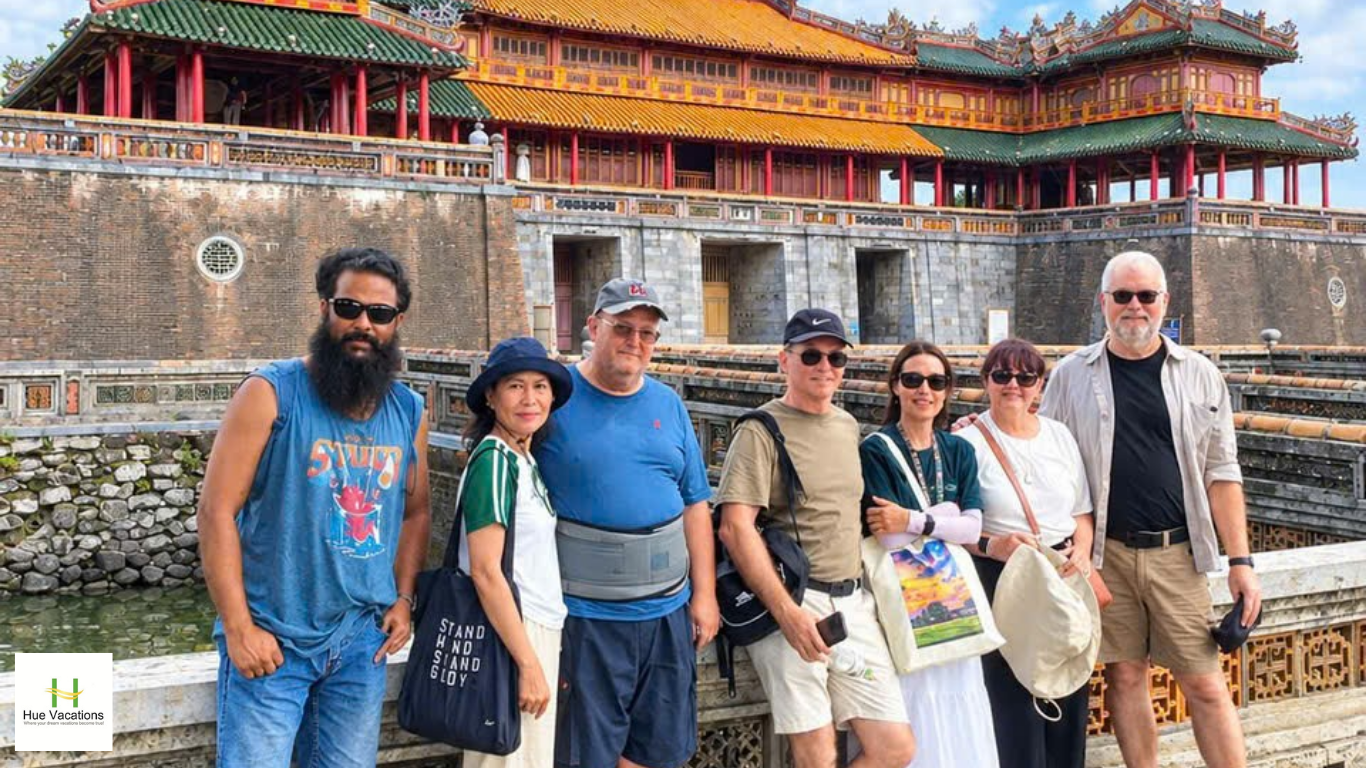
The Imperial City is one of the most important historical attractions in Hue and a highlight of many sightseeing itineraries.
Recognized as part of the Complex of Hue Monuments, a UNESCO World Heritage property, this remarkable site preserves the architectural legacy of Vietnam’s Nguyen Dynasty.
Inside the Imperial City, visitors can explore:
- Ngo Mon Gate, the historic southern entrance.
- Thai Hoa Palace, associated with important royal ceremonies.
- Royal courtyards and traditional architectural structures.
- Temples and ancestral worship areas.
- Sections of the Forbidden Purple City, which served as the emperor’s private residence.
Allow sufficient time to appreciate the architecture and historical significance of the complex.
Visiting in the morning can help you avoid some of the afternoon heat, particularly from May to August. It may also provide better conditions for photography before the busiest periods.
Remember to check opening hours and ticket information before your visit, as operating arrangements can change.
Including the Imperial City early in your Hue city tour is a practical way to begin your exploration of Hue’s imperial heritage.
5. Discover Hue’s Royal Tombs
Hue is famous for its royal tombs, which reflect the architectural styles, cultural values, and personal preferences of the Nguyen emperors.
Unlike ordinary cemeteries, these monumental complexes often combine burial structures with temples, courtyards, gardens, lakes, and ceremonial spaces.
Three particularly popular tombs are worth considering.
Khai Dinh Tomb
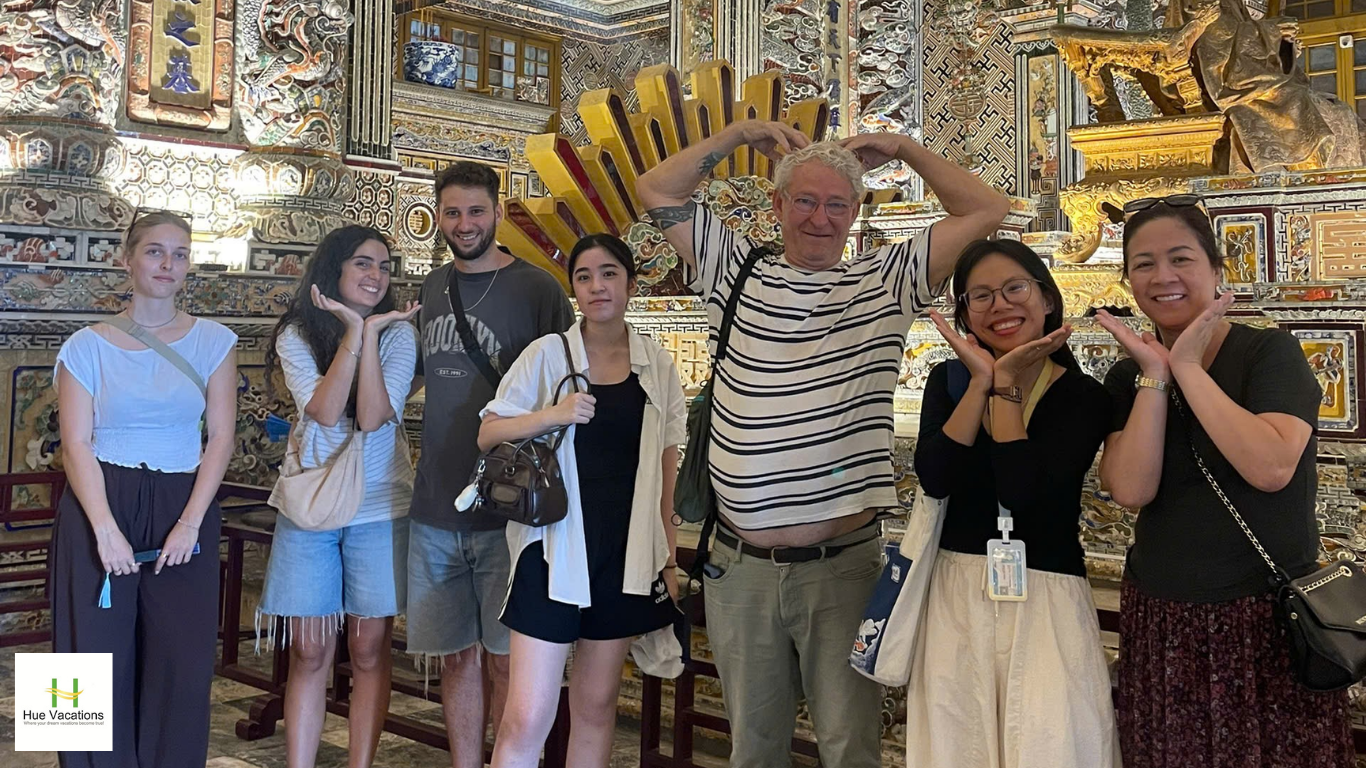
Khai Dinh Tomb is known for its elaborate decoration and distinctive architectural style. The complex combines Vietnamese traditions with European influences, while the interior features detailed mosaics and decorative artwork.
Its elevated location and impressive staircase make it one of the most visually striking royal tombs in Hue.
Minh Mang Tomb
Minh Mang Tomb is admired for its carefully planned layout and harmonious relationship with the surrounding landscape.
Lakes, gardens, bridges, and traditional buildings create a peaceful atmosphere that contrasts with the elaborate decoration found at Khai Dinh Tomb.
Tu Duc Tomb
Tu Duc Tomb is associated with Emperor Tu Duc and is known for its tranquil setting, landscaped grounds, and traditional architecture.
Its peaceful atmosphere makes it an appealing destination for visitors interested in both history and scenery.
If you are planning a one-day Hue city tour, consider visiting one or two royal tombs rather than attempting to see them all. This allows you to explore each location without making the itinerary unnecessarily rushed.
6. Try Authentic Hue Cuisine
Food is an essential part of the cultural experience in Hue. The city’s culinary traditions are influenced by royal cuisine, regional ingredients, and generations of local cooking expertise.
Many traditional dishes are known for their balanced flavors, careful presentation, and variety of textures.
Here are some local specialties worth trying.
Bun Bo Hue
Bun Bo Hue is a famous Vietnamese noodle soup prepared with beef, rice noodles, and a flavorful broth. Depending on the restaurant, the dish may include pork, herbs, and other traditional ingredients.
Its distinctive taste has made it popular throughout Vietnam and internationally.
Banh Beo
Banh Beo consists of small steamed rice cakes traditionally served with toppings such as dried shrimp, crispy pork cracklings, and scallion oil.
These bite-sized cakes are a popular example of Hue’s traditional culinary style.
Banh Nam
Banh Nam is a flat rice cake prepared with rice flour and typically topped with seasoned shrimp and pork before being wrapped in banana leaves and steamed.
It is often served with a light dipping sauce.
Nem Lui
Nem Lui features seasoned pork grilled on lemongrass skewers. It is commonly served with fresh herbs, rice paper, and dipping sauce.
Trying these dishes gives you a deeper understanding of Hue’s food culture beyond its historical attractions.
Some full-day Hue city tour packages include lunch, while others leave meals to travelers. Check the inclusions before booking if you want to experience local cuisine during your trip.
If you have food allergies or dietary restrictions, inform your tour operator or restaurant in advance.
7. Respect Local Customs at Temples and Pagodas
Hue is an important center of Buddhist culture and religious heritage. During your visit, you may explore temples, pagodas, and other sites that remain meaningful to local communities.
Thien Mu Pagoda is one of the city’s most famous religious landmarks. Located beside the Perfume River, it is recognized by its iconic seven-story Phuoc Duyen Tower and peaceful surroundings.
When visiting religious sites, remember these basic guidelines:
- Wear clothing that covers your shoulders and is appropriate for the setting.
- Follow any posted rules about footwear or restricted areas.
- Speak quietly and avoid disturbing people who are praying.
- Ask permission before photographing individuals.
- Do not touch religious objects unless permitted.
- Follow instructions from site staff and your guide.
These simple gestures demonstrate respect for local traditions and help preserve the atmosphere of sacred places.
Including Thien Mu Pagoda in your Hue city tour provides an opportunity to appreciate another important aspect of the city’s cultural identity.
8. Choose the Right Transportation
Transportation is an important consideration when planning your trip to Hue.
Although some attractions are accessible from the city center, the Imperial City, Thien Mu Pagoda, and royal tombs are located in different areas. Traveling between them requires some planning.
Several transportation options are available.
Guided Group Tours
A shared tour is a practical option for travelers who want to visit popular attractions without organizing every detail themselves.
Depending on the package, transportation, a tour guide, lunch, and entrance tickets may be included.
Shared tours generally follow a fixed itinerary and pickup schedule, so confirm the meeting point and departure time in advance.
Private Car Tours
A private car is suitable for families, couples, and small groups who prefer a more flexible schedule.
Private transportation can make it easier to adjust the pace of sightseeing, spend additional time at selected attractions, or accommodate specific travel requirements.
Taxis and Ride-Hailing Services
Taxis and available ride-hailing services can be useful for individual journeys around the city.
However, arranging transportation between several attractions independently may require additional time and coordination.
Cycling
Cycling can be an enjoyable way to experience selected parts of Hue, especially the quieter streets and areas around the city center.
However, cycling between distant royal tombs may not be practical for everyone, particularly during hot weather or heavy rain.
When choosing a Hue city tour, compare the itinerary, pickup arrangements, transportation type, and total cost rather than looking at the price alone.
9. Prepare for Hue’s Changing Weather
Hue’s weather can change quickly, particularly during the rainy season. Preparing for different conditions will help you avoid unnecessary discomfort.
During the hotter months, the sun can be intense, especially in open courtyards and around royal tombs.
During periods of heavy rain, outdoor sightseeing and river activities may need to be adjusted.
Use these practical suggestions to prepare for your visit:
For sunny days:
- Apply sunscreen before leaving your hotel.
- Carry drinking water.
- Wear a hat and lightweight clothing.
- Take breaks in shaded areas.
For rainy days:
- Bring an umbrella or raincoat.
- Wear shoes with good traction.
- Protect your phone and camera from water.
- Allow extra travel time.
During periods of heavy rain or flooding:
Check local weather warnings and follow guidance from your accommodation or tour operator. Some roads and attractions may become temporarily inaccessible.
If a dragon boat ride on the Perfume River is part of your itinerary, remember that departures depend on weather, river conditions, and local operating arrangements.
A flexible itinerary is especially valuable when taking a Hue city tour during the rainy season.
10. Book Your Hue City Tour with a Reliable Operator
Choosing a suitable tour operator can make your trip more convenient, particularly if you are unfamiliar with Hue.
A well-organized tour can help you manage transportation, understand local history, and visit several attractions within a limited timeframe.
Before booking, review the following details.
Check the Itinerary
Make sure the tour visits the attractions you want to see. Some itineraries focus on the Imperial City and central landmarks, while others include royal tombs or craft villages.
Understand What Is Included
Read the tour description carefully to determine whether the price includes:
- Hotel pickup and drop-off.
- Transportation throughout the itinerary.
- An English-speaking or other requested-language guide.
- Entrance tickets.
- Lunch and drinking water.
- Boat trips or other activities.
Inclusions vary between operators, so do not assume that every service is included.
Confirm Pickup Arrangements
Many shared tours provide pickup from selected hotels in central Hue. If your accommodation is outside the normal pickup area, additional charges or alternative meeting points may apply.
Confirm your pickup location and departure time before the tour date.
Read Recent Reviews
Reviews can provide useful information about punctuality, communication, guide quality, transportation, and the overall experience.
Choose an operator that clearly explains its services and responds to questions before booking.
Select a Tour That Matches Your Travel Style
A shared tour may be ideal if you want an affordable way to see the main attractions. A private tour may be more appropriate if you need greater flexibility or are traveling with family.
For visitors who want to explore Hue’s main historical landmarks in one day, a carefully planned Hue city tour can be a convenient and rewarding option.
Bonus Tip: Allow Time to Enjoy Hue Beyond the Main Attractions
Although Hue is famous for its imperial heritage, the city offers much more than palaces and royal tombs.
If your schedule allows, leave some time to explore the local neighborhoods, enjoy a Vietnamese coffee, or walk along the Perfume River.
You can also visit Dong Ba Market to observe everyday local life and discover regional products.
For travelers interested in traditional craftsmanship, the Thuy Xuan Incense Village offers an opportunity to learn about the production of colorful incense sticks and the traditions associated with this craft.
These experiences provide a different perspective on Hue and help balance historical sightseeing with everyday cultural encounters.
Even if your Hue city tour lasts only one day, a few unhurried moments can make the journey feel more personal and memorable.
Frequently Asked Questions About Visiting Hue
1. How many days should I spend in Hue?
One or two days is a good starting point for many travelers.
One day allows you to visit several major landmarks, such as the Imperial City, Thien Mu Pagoda, and one or two royal tombs. Two days provide more time to explore additional attractions, discover local cuisine, and experience the city’s quieter neighborhoods.
2. Is one day enough for a Hue city tour?
Yes. One day is enough to explore several of Hue’s most famous attractions if you plan your route carefully.
A full-day itinerary can include the Imperial City, Thien Mu Pagoda, and selected royal tombs. However, you may need additional time if you want to visit several distant attractions or explore each site in depth.
3. What should I wear when visiting Hue?
Wear comfortable clothing and walking shoes suitable for the weather.
Lightweight clothing is helpful during hot months, while a raincoat or umbrella is useful during the rainy season. When visiting temples and pagodas, choose respectful clothing that follows local requirements.
4. What is the best month to visit Hue?
March and April are generally good months for sightseeing because the weather is often relatively comfortable and rainfall is usually lower than in the main rainy season.
However, weather conditions vary from year to year, so check the forecast before your trip.
5. Can I explore Hue without a tour guide?
Yes. You can explore Hue independently using taxis, ride-hailing services, bicycles, or other available transportation.
However, a guided Hue city tour can be helpful if you want to visit several attractions in one day and learn more about the history behind the monuments.
6. What are the must-try foods in Hue?
Some of the best-known local specialties include Bun Bo Hue, Banh Beo, Banh Nam, and Nem Lui.
You can find these dishes at local restaurants and food stalls throughout the city.
Conclusion
Hue is a remarkable destination where imperial history, traditional culture, distinctive cuisine, and peaceful landscapes come together. From exploring the Imperial City to visiting ancient pagodas and tasting local specialties, there are many ways to experience the character of Vietnam’s former royal capital.
Following these 10 essential travel tips will help you prepare for changing weather, choose suitable transportation, respect local customs, and make better use of your time.
Whether you are visiting independently or joining a guided Hue city tour, the key is to plan carefully while leaving enough room to enjoy the city’s unique atmosphere.
If Hue is part of your Vietnam itinerary, take the opportunity to explore beyond the main landmarks. The city’s quiet streets, friendly local communities, and rich culinary traditions can make your visit just as memorable as its famous historical monuments.
Discover the beauty of Hue with Hue Vacations ! Our carefully designed holiday packages give you the ultimate experience of this historic city. Immerse yourself in the culture and history of Vietnam’s capital with our expertly guided tours. From magnificent palaces to peaceful countryside, Hue Vacations offers a journey of a lifetime. Join us to create unforgettable memories and leave with a renewed appreciation for the wonders of Hue.
Please join the tours below to enjoy:
https://huevacations.com/tour/hue-battlefield-1-day-tour/
https://huevacations.com/tour/bach-ma-national-park-tour/
https://huevacations.com/tour/hue-city-tour-small-group-maximum-12-pax/
https://huevacations.com/tour/street-food-on-foot-daily-tour-group-tour-10-pax-max/
https://huevacations.com/tour/hue-city-1-day-tour/
Book now and enjoy the ultimate vacation of your dreams
Hotline: (84)932.553.509
Whatsapp: (84)981.330.386
Zalo: (84)932.553.509
Email: huevacations@gmail.com
Address: 22/48 Phu Mong- Kim Long-Hue City- Vietnam, Hue, Vietnam