
Hue is one of Vietnam’s most fascinating cultural destinations, offering a unique combination of imperial history, traditional arts, spiritual heritage, and authentic local life. As the former imperial capital of Vietnam, this charming city preserves centuries of traditions that continue to shape its identity today.
Taking a Hue city tour is an excellent way to discover these cultural treasures while exploring the city’s most famous landmarks. Beyond visiting historical monuments, you can experience traditional Vietnamese music, taste distinctive local dishes, discover traditional handicrafts, and learn about the daily lives of local people.
Whether you are visiting Hue for the first time or returning to explore more deeply, these eight amazing cultural experiences will help you understand why Hue remains one of the most memorable destinations in central Vietnam.
Contents
- 1 1. Explore the Imperial City and Vietnam’s Royal Heritage
- 2 2. Discover Traditional Vietnamese Royal Court Music
- 3 3. Visit Thien Mu Pagoda and Explore Buddhist Traditions
- 4 4. Taste the Authentic Flavors of Hue Cuisine
- 5 5. Discover Traditional Incense-Making and Conical Hat Craftsmanship
- 6 6. Experience Local Life at Dong Ba Market
- 7 7. Enjoy a Dragon Boat Ride on the Perfume River
- 8 8. Explore the Royal Tombs and Their Architectural Stories
- 9 Practical Tips for Enjoying Cultural Experiences in Hue
- 10 Why Cultural Experiences Make a Hue City Tour Special
- 11 Conclusion
1. Explore the Imperial City and Vietnam’s Royal Heritage
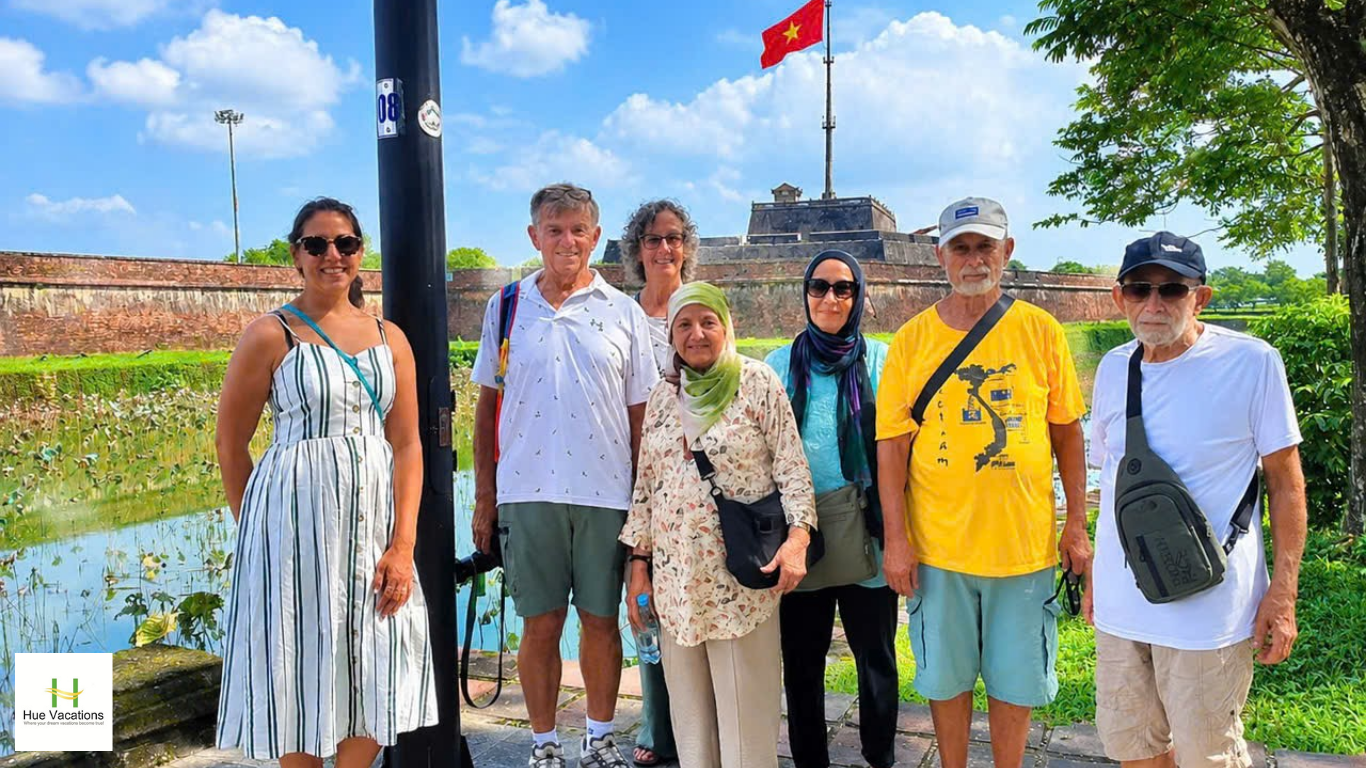
One of the most important cultural experiences in Hue is visiting the Imperial City, the historic center of the Nguyen Dynasty, which ruled Vietnam from 1802 to 1945.
Recognized as part of the UNESCO World Heritage property known as the Complex of Hue Monuments, the Imperial City features impressive gates, royal palaces, ancestral temples, and historic courtyards. These structures offer a fascinating glimpse into the lives of Vietnamese emperors and the traditions of the royal court.
As you walk through the ancient complex, you can learn about imperial ceremonies, royal architecture, and the political history of Vietnam. The architecture reflects traditional Vietnamese principles alongside influences from East Asian philosophy and geomancy.
A guided Hue city tour can make this experience more meaningful by explaining the historical stories behind important buildings and the cultural significance of the royal court.
2. Discover Traditional Vietnamese Royal Court Music
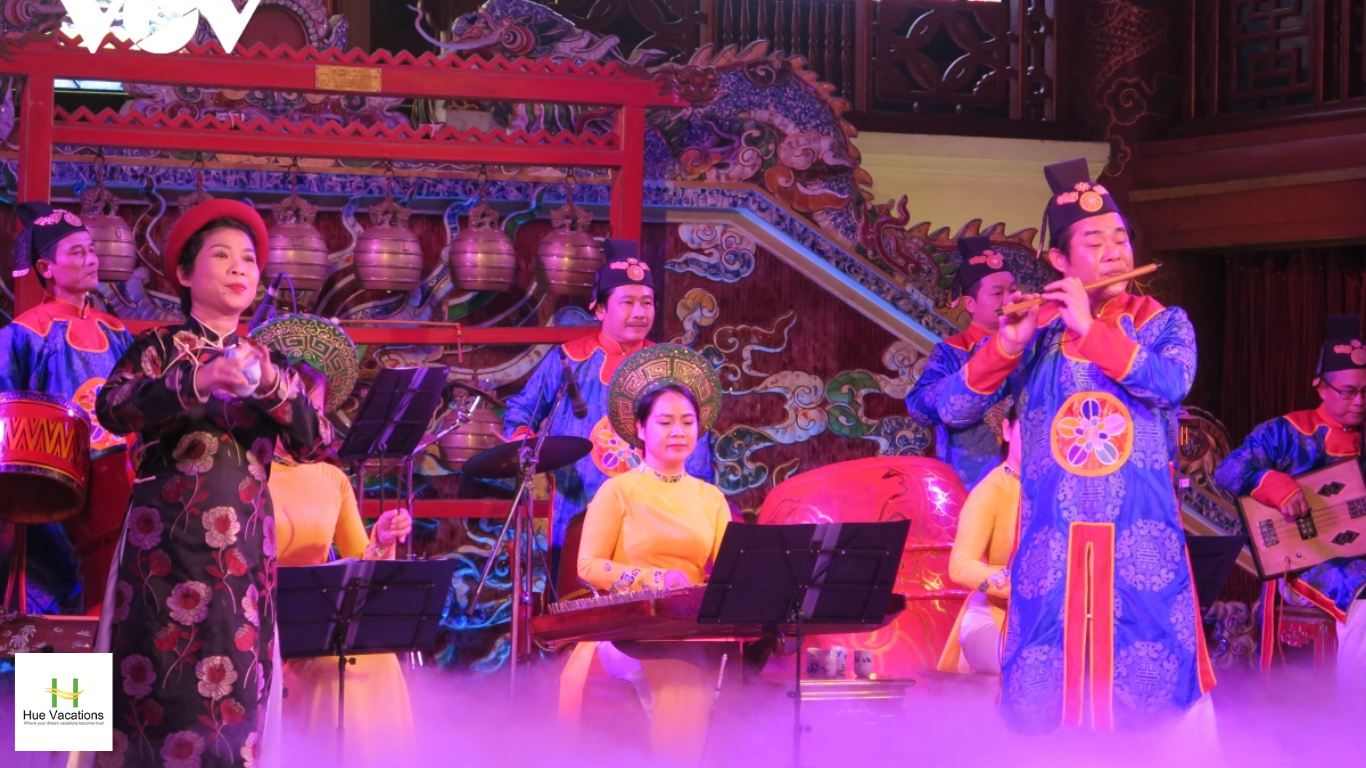
Hue is famous for Nha Nhac, or Vietnamese court music, a traditional musical art that was performed during royal ceremonies under the Nguyen Dynasty.
Recognized by UNESCO as an Intangible Cultural Heritage of Humanity, Nha Nhac represents an important part of Vietnam’s artistic and cultural legacy. Its performances combine traditional instruments, formal musical arrangements, elaborate costumes, and ceremonial movements.
Listening to this music provides a deeper understanding of the sophistication of Vietnam’s former royal court. Depending on the performance schedule, visitors may have opportunities to enjoy traditional music at cultural venues or during selected river cruises.
For travelers interested in the artistic heritage of Hue, this experience adds another dimension to a Hue city tour, moving beyond sightseeing to explore the sounds and traditions of imperial Vietnam.
3. Visit Thien Mu Pagoda and Explore Buddhist Traditions
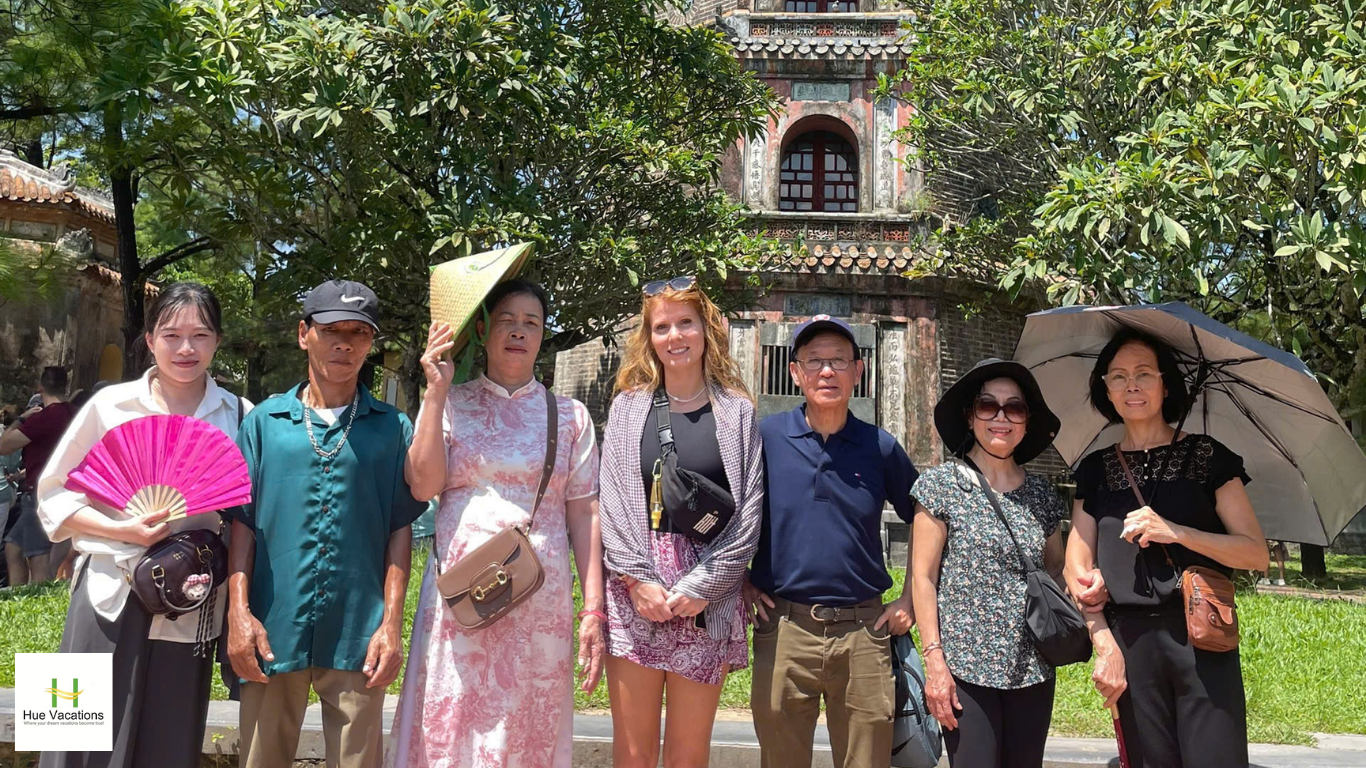
Thien Mu Pagoda is one of the most recognizable landmarks in Hue. Located on Ha Khe Hill beside the Perfume River, this historic Buddhist pagoda is known for its peaceful atmosphere, religious significance, and iconic seven-story Phuoc Duyen Tower.
Founded in the early seventeenth century, the pagoda has played an important role in the spiritual history of the region. Its grounds contain religious buildings, gardens, and historical objects that reflect the development of Buddhism in Hue.
Visitors can explore the temple grounds, admire traditional architecture, and observe the respectful practices associated with Buddhist worship. When visiting, remember to dress appropriately, speak quietly, and follow local guidance around sacred areas.
Including Thien Mu Pagoda in your Hue city tour offers an opportunity to understand the spiritual traditions that have influenced the city’s culture for generations.
4. Taste the Authentic Flavors of Hue Cuisine
Food is an essential part of Hue’s cultural identity. Influenced by both royal culinary traditions and everyday local cooking, Hue cuisine is famous for its distinctive flavors, careful presentation, and variety of small, flavorful dishes.
During your visit, make time to sample some of the city’s most popular specialties.
- Bun Bo Hue: A flavorful beef noodle soup prepared with aromatic herbs and a distinctive broth.
- Banh Beo: Small steamed rice cakes traditionally served with savory toppings.
- Banh Nam: Delicate rice cakes with savory fillings, traditionally wrapped in banana leaves.
- Nem Lui: Grilled pork skewers served with fresh herbs, rice paper, and dipping sauce.
- Com Hen: A traditional rice dish featuring baby mussels, herbs, and crunchy toppings.
Hue’s royal culinary heritage is especially interesting because historical court cuisine emphasized presentation, balance, and refinement. Meanwhile, the city’s everyday dishes reveal the creativity and resourcefulness of local cooks.
A Hue city tour that includes local food stops can help you experience the destination through its flavors as well as its history.
5. Discover Traditional Incense-Making and Conical Hat Craftsmanship
Hue is home to traditional craft villages where artisans preserve skills passed down through generations. Two of the most recognizable local crafts are incense-making and conical hat production.
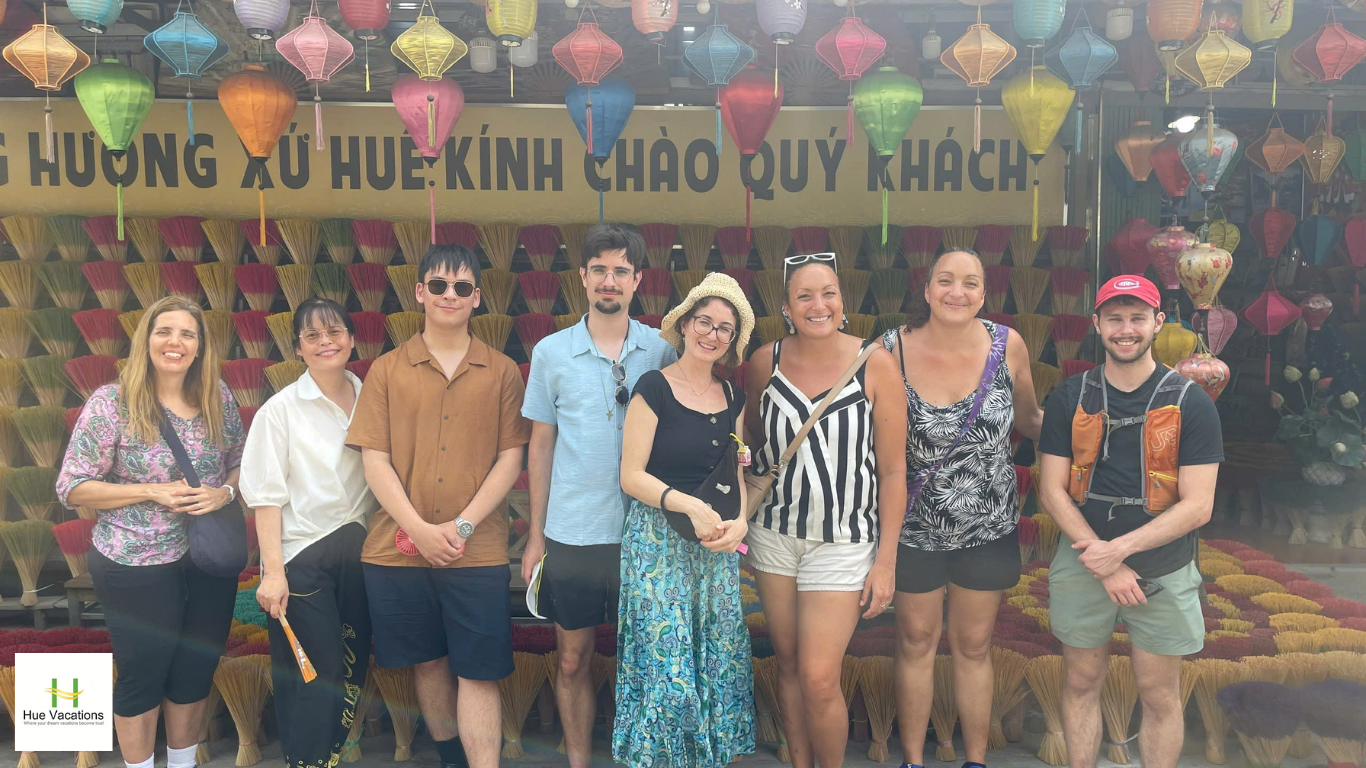
At an incense-making workshop, visitors can learn how artisans prepare incense materials, shape the bamboo sticks, and apply colorful mixtures of aromatic ingredients. The bright bundles of incense often create beautiful photo opportunities while illustrating the role of incense in Vietnamese spiritual practices.
Conical hats, known as non la, are another important symbol of Vietnamese culture. These lightweight hats are traditionally made from carefully arranged palm or similar leaves attached to a bamboo frame. They are both practical and culturally significant, especially in central Vietnam.
Visiting craft villages during a Hue city tour gives you a chance to appreciate the patience and craftsmanship behind everyday cultural objects. Some workshops also offer opportunities to observe artisans at work or purchase locally made souvenirs.
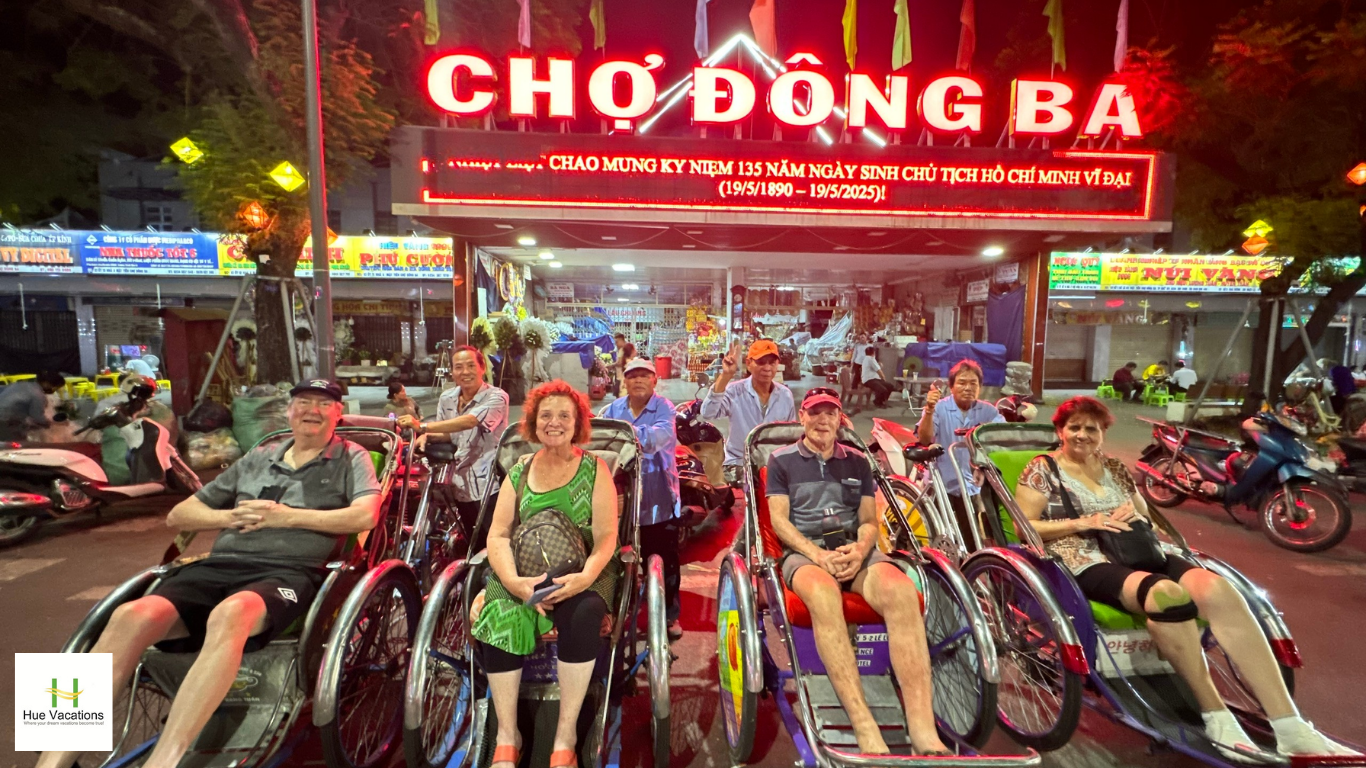
6. Experience Local Life at Dong Ba Market
For a closer look at everyday life in Hue, visit Dong Ba Market, one of the city’s most famous traditional markets.
The market is a lively place where local residents shop for fresh produce, seafood, spices, clothing, household goods, and regional specialties. Walking through its stalls allows visitors to experience the rhythms of local commerce and discover ingredients commonly used in central Vietnamese cooking.
Food stalls are particularly appealing to travelers who want to sample local snacks or observe how traditional dishes are prepared. You may also find regional products and handicrafts that make meaningful souvenirs.
When exploring the market, bring some Vietnamese Dong in cash, ask before photographing vendors, and be respectful of the people working there.
A market visit adds an authentic local dimension to a Hue city tour, balancing the grandeur of royal monuments with the everyday traditions of the city’s residents.
7. Enjoy a Dragon Boat Ride on the Perfume River
The Perfume River is closely connected to Hue’s identity, shaping its landscapes, history, and cultural life. A dragon boat ride offers a relaxing way to appreciate the city from the water.
As the boat travels along the river, you can admire green riverbanks, traditional buildings, and scenic views of Hue’s historic surroundings. Some sightseeing routes connect with visits to Thien Mu Pagoda, while selected evening cruises may feature traditional music performances.
The experience is particularly enjoyable for travelers who want to slow down after walking through historical sites. It also provides a different perspective on the relationship between Hue’s natural environment and its cultural heritage.
Boat services and routes may vary according to weather, river conditions, and local events, so it is worth confirming availability in advance.
Adding a river cruise to your Hue city tour creates a pleasant balance between cultural exploration and relaxation.
8. Explore the Royal Tombs and Their Architectural Stories
Hue’s royal tombs are among the most remarkable examples of Vietnamese imperial architecture. Built for emperors of the Nguyen Dynasty, these complexes combine ceremonial structures, landscaped gardens, lakes, courtyards, and elaborate decorative details.
Each tomb reflects the personality, tastes, and historical circumstances of the emperor associated with it.
Three particularly notable sites are:
- Minh Mang Tomb: Known for its carefully planned layout, balanced architecture, and harmonious relationship with the surrounding landscape.
- Tu Duc Tomb: Famous for its peaceful setting, lakes, pavilions, and poetic atmosphere.
- Khai Dinh Tomb: Distinguished by its imposing stairways, intricate mosaics, and combination of Vietnamese and European architectural influences.
Visiting these sites helps travelers understand how architecture, spirituality, and imperial authority were connected in historical Vietnam.
Depending on your interests and available time, a Hue city tour can include one or more royal tombs. If you prefer a relaxed pace, focusing on two contrasting tombs may be more rewarding than rushing between several locations.
Practical Tips for Enjoying Cultural Experiences in Hue
To make your visit more comfortable and meaningful, keep these practical suggestions in mind:
Choose the Right Time to Visit
March and April often offer pleasant conditions for sightseeing, although Hue’s weather can change throughout the year. Summer may be hot, while autumn and winter can bring substantial rainfall. Check the forecast before planning outdoor activities.
Dress Respectfully at Religious Sites
Wear modest clothing when visiting pagodas and temples. Avoid disruptive behavior, and follow instructions regarding photography and restricted areas.
Allow Enough Time for Walking
The Imperial City and royal tomb complexes can involve considerable walking. Wear comfortable shoes, carry drinking water, and take breaks when necessary.
Check What’s Included in Your Tour
Before booking, confirm whether transportation, entrance tickets, meals, a tour guide, and boat transfers are included. Not every tour package offers the same itinerary or services.
Support Local Artisans and Businesses
Consider purchasing authentic handicrafts directly from local producers or enjoying meals at reputable local restaurants. These choices can help support the communities that preserve Hue’s traditions.
Why Cultural Experiences Make a Hue City Tour Special
What makes Hue different from many other destinations in Vietnam is the depth of its cultural heritage. The city offers much more than famous landmarks: it invites visitors to explore traditional music, religious practices, local cuisine, craftsmanship, and everyday life.
A well-planned itinerary combines different experiences rather than concentrating exclusively on historical monuments. You might begin the morning at the Imperial City, visit Thien Mu Pagoda before lunch, sample regional dishes, and finish with a craft village or a scenic river cruise.
This variety helps travelers understand Hue as a living cultural destination, where traditions remain part of daily life rather than existing only in museums.
For first-time visitors, a guided Hue city tour is a convenient way to discover several important attractions while learning about their historical and cultural significance.
Conclusion
Hue offers an extraordinary collection of cultural experiences that reveal the history, creativity, and traditions of central Vietnam. From exploring the Imperial City and listening to royal court music to tasting local specialties and meeting traditional artisans, each experience provides a different perspective on this historic destination.
These eight activities are an excellent starting point for discovering the city’s cultural richness. Whether you are interested in imperial architecture, Buddhist heritage, traditional crafts, or authentic Vietnamese food, Hue has something memorable to offer.
Plan your visit around the experiences that interest you most, allow enough time to explore at a comfortable pace, and take the opportunity to connect with local culture.
A Hue city tour can be the perfect introduction to the city’s remarkable heritage and a memorable highlight of your journey through Vietnam.
Discover the beauty of Hue with Hue Vacations ! Our carefully designed holiday packages give you the ultimate experience of this historic city. Immerse yourself in the culture and history of Vietnam’s capital with our expertly guided tours. From magnificent palaces to peaceful countryside, Hue Vacations offers a journey of a lifetime. Join us to create unforgettable memories and leave with a renewed appreciation for the wonders of Hue.
Please join the tours below to enjoy:
https://huevacations.com/tour/hue-battlefield-1-day-tour/
https://huevacations.com/tour/bach-ma-national-park-tour/
https://huevacations.com/tour/hue-city-tour-small-group-maximum-12-pax/
https://huevacations.com/tour/street-food-on-foot-daily-tour-group-tour-10-pax-max/
https://huevacations.com/tour/hue-city-1-day-tour/
Book now and enjoy the ultimate vacation of your dreams
Hotline: (84)932.553.509
Whatsapp: (84)981.330.386
Zalo: (84)932.553.509
Email: huevacations@gmail.com
Address: 22/48 Phu Mong- Kim Long-Hue City- Vietnam, Hue, Vietnam